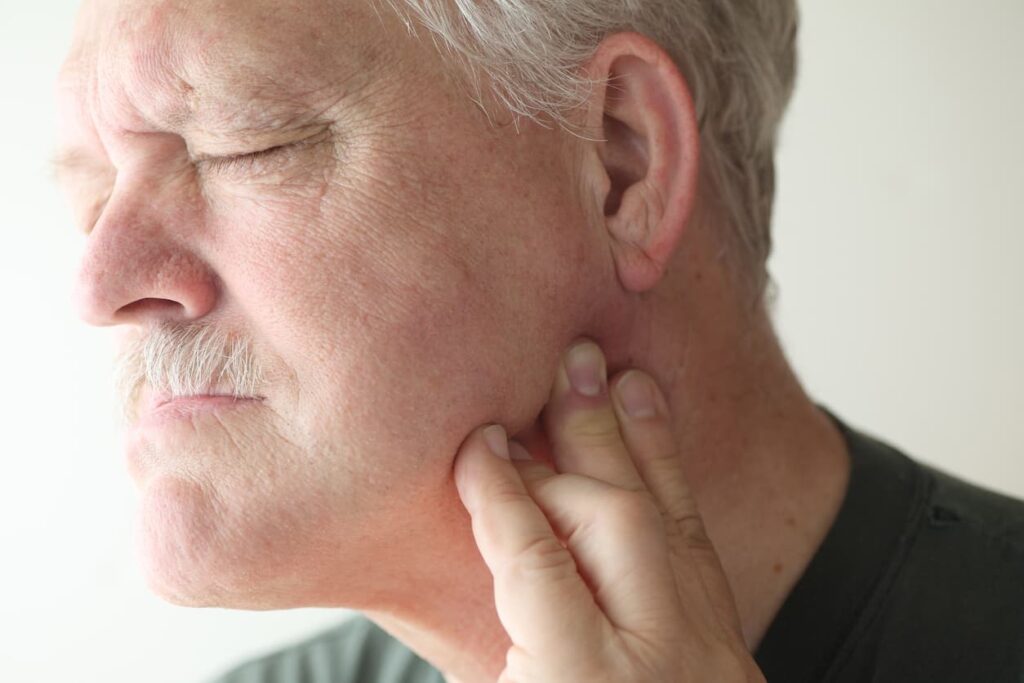
If you’re grappling with symptoms like jaw pain, clicking sounds, frequent headaches, or discomfort while chewing, you might be experiencing TMJ dysfunction. This condition is more common than you might think, affecting many individuals in various ways. At Barbell Physiotherapy in Ottawa, we specialize in TMJ physiotherapy Ottawa, aimed at helping clients manage and overcome TMJ pain through strength-informed, evidence-based physiotherapy. Our approach not only targets pain relief but also focuses on restoring normal jaw function and improving overall quality of life.
What Is TMJ Dysfunction?
TMJ dysfunction refers to a range of conditions affecting the temporomandibular joint, which connects your jaw to your skull. This complex joint allows for the movements necessary for chewing, speaking, and other facial expressions. When the TMJ is not functioning properly, it can lead to a host of uncomfortable symptoms. Understanding the importance of TMJ physiotherapy Ottawa can empower you to seek timely treatment for jaw-related issues, preventing further complications.
Understanding TMJ dysfunction involves recognizing the various symptoms and their impact on daily life. The temporomandibular joint plays a crucial role in jaw movement, and any dysfunction can lead to significant discomfort. Common symptoms include not only jaw pain and headaches but also impacts on sleep quality and the ability to enjoy a meal. Seeking TMJ physiotherapy Ottawa early can help mitigate these effects and restore balance to your life.
Why Choose TMJ Physiotherapy Ottawa?
Choosing our TMJ physiotherapy Ottawa services allows patients to experience significant relief and regain normal function. Our tailored treatment plans are designed specifically to address the root causes of TMJ dysfunction. By understanding individual patient needs, we create customized rehabilitation strategies that offer the best chance for recovery. Many clients report not only reductions in pain but also improvements in their overall well-being and comfort with daily activities.
Being aware of these symptoms can help you identify potential TMJ dysfunction early on, allowing you to seek care promptly. This is particularly important because untreated TMJ issues can lead to chronic pain and further complications over time.
TMJ stands for the temporomandibular joint — the hinge that connects your jaw to your skull. This joint is integral to your ability to perform essential functions like eating and speaking. When this joint becomes irritated or dysfunctional, it can lead to a variety of symptoms that significantly impact daily life. The issues you may face include:
TMJ stands for the temporomandibular joint — the hinge that connects your jaw to your skull. When this joint becomes irritated or dysfunctional, it can cause:
- Jaw pain or stiffness
- Clicking or popping sounds
- Headaches or ear pain
- Difficulty chewing
- Locking of the jaw
Many TMJ cases arise from a variety of factors including postural issues, stress-related clenching, previous trauma, or muscular imbalances around the jaw, neck, and shoulders. Addressing these factors is essential for effective treatment and long-term relief. By understanding the underlying causes, we can implement strategies that not only alleviate symptoms but also prevent future occurrences.
How Physiotherapy Helps TMJ Dysfunction
Physiotherapy serves as a highly effective, non-invasive method to relieve TMJ symptoms. At our Ottawa clinic, we adopt a whole-body approach, which includes assessing not only the jaw but also the surrounding structures that contribute to TMJ dysfunction. This holistic view ensures that we address every factor that may be impacting your jaw health.
Our treatment approach includes:
Jaw & Neck Mobility Techniques
We focus on manually releasing tight muscles and guiding mobility work in both the jaw and cervical spine. This aspect of treatment is crucial as it helps restore function and flexibility, allowing for smoother jaw movements and reducing discomfort.
We manually release tight muscles and guide mobility work in both the jaw and cervical spine.
Postural Correction
Poor head posture and rounded shoulders are often significant contributors to TMJ flare-ups. Our physiotherapy sessions include targeted strengthening and correction strategies aimed at improving your posture. Good posture can relieve undue stress on the jaw and help prevent pain from returning.
Poor head posture and rounded shoulders often play a big role in TMJ flare-ups. We address these through targeted strengthening and correction strategies.
Soft Tissue Release & Dry Needling (if appropriate)
We utilize techniques such as trigger point work, myofascial release, and even dry needling when appropriate. These methods can significantly reduce muscle tension and improve function quickly, allowing for a more comfortable experience in your day-to-day activities.
Trigger point work, myofascial techniques, and even dry needling can reduce tension and improve function quickly.
Home Care Plan
Alongside in-clinic treatment, we will develop a personalized home care plan. This plan typically includes exercises to reduce clenching, strategies to correct sleep posture, and techniques to maintain the results achieved in therapy. Implementing these practices can extend the benefits of your physiotherapy sessions into your daily routine.
We’ll teach you how to reduce clenching, correct sleep posture, and maintain results with simple exercises.
Who Is TMJ Physio For?
TMJ physiotherapy is ideal for individuals experiencing:
Our treatments are designed for anyone suffering from:
- Chronic jaw tightness or fatigue
- Clenching or grinding (especially during sleep)
- Clicking or locking during mouth opening
- Headaches that feel like tension or pressure behind the eyes
- Limited jaw opening range
Remember, early intervention is key to successful TMJ treatment. Our expert team is ready to guide you through your recovery journey, helping you regain a pain-free life.
If any of this sounds familiar — especially if it’s affecting your ability to eat, train, or sleep — TMJ treatment may be a game-changer for you. Addressing these symptoms through physiotherapy can lead to significant improvements in your quality of life, allowing you to enjoy everyday activities without discomfort.
Why Barbell Physiotherapy?
At Barbell Physiotherapy in Ottawa, we go beyond generic treatment protocols. Whether you’re a lifter with jaw tension, an office worker clenching at your desk, or someone recovering from dental trauma — we tailor every TMJ rehab plan to your specific goals and movement patterns. Our individualized approach ensures that you receive the best care possible, leading to effective and lasting results.
Ready to Treat Your Jaw Pain?
We offer 1-on-1 TMJ physiotherapy assessments at our Ottawa clinic, supported by strength-based rehabilitation, manual therapy, and clinical expertise. Our dedicated team is here to help you navigate your TMJ issues and find lasting relief.
Ready to Treat Your Jaw Pain?
🔴 Book your Initial Assessment through our JaneApp portal here
🎯 Don’t wait — TMJ dysfunction responds best when treated early. Taking proactive steps to manage your TMJ health can prevent further complications and improve your overall well-being.